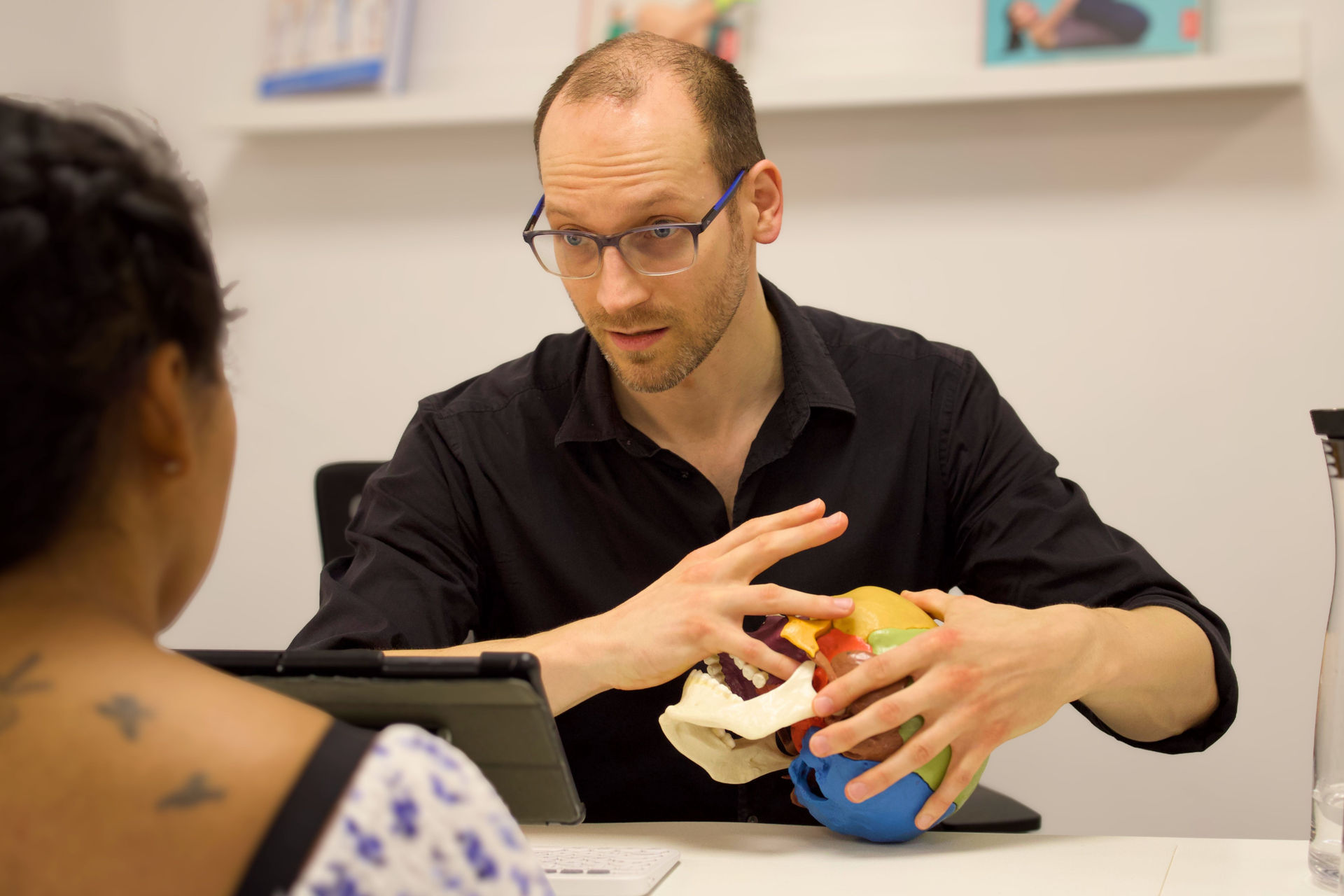
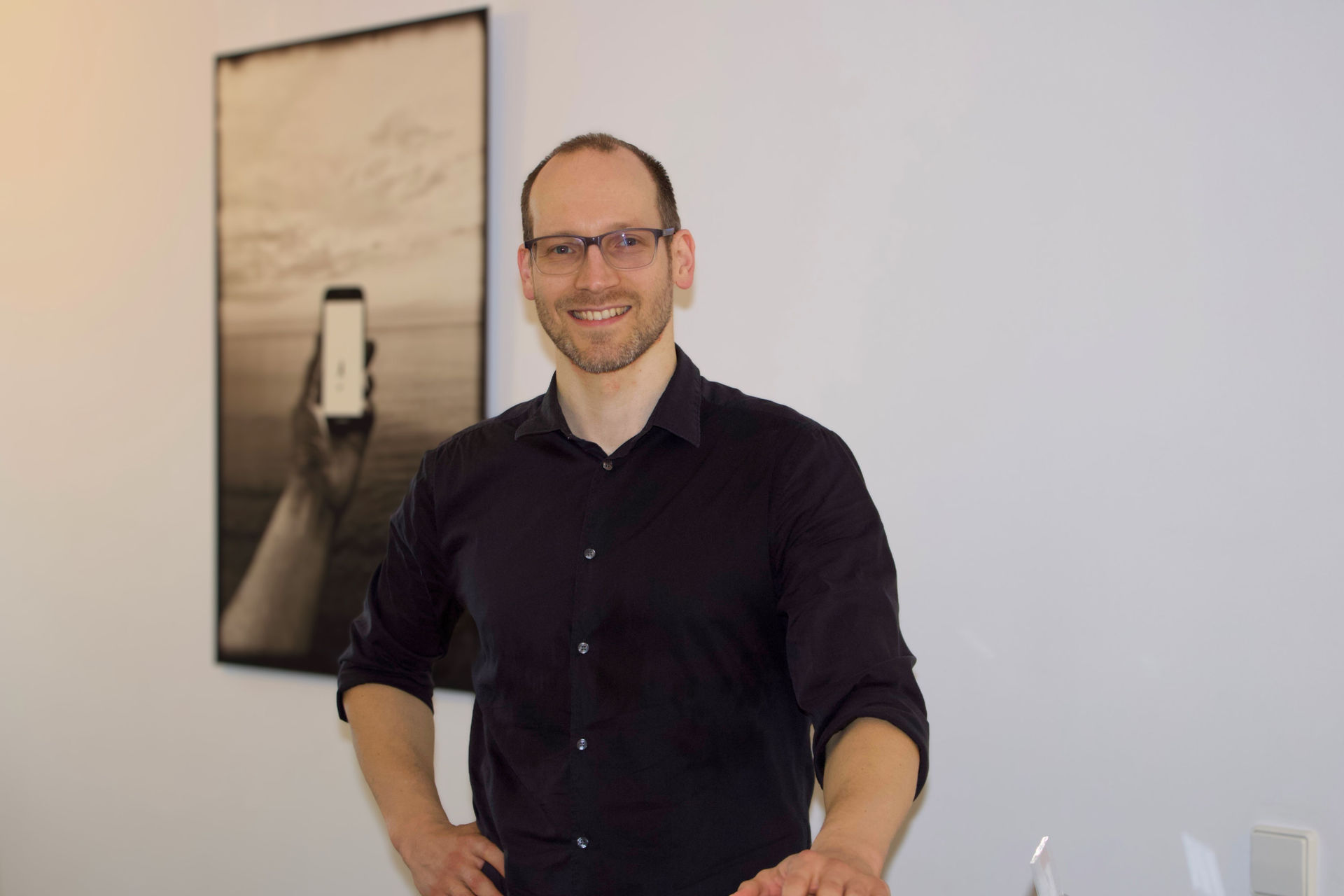
Andreas Benitez – Osteopath by conviction
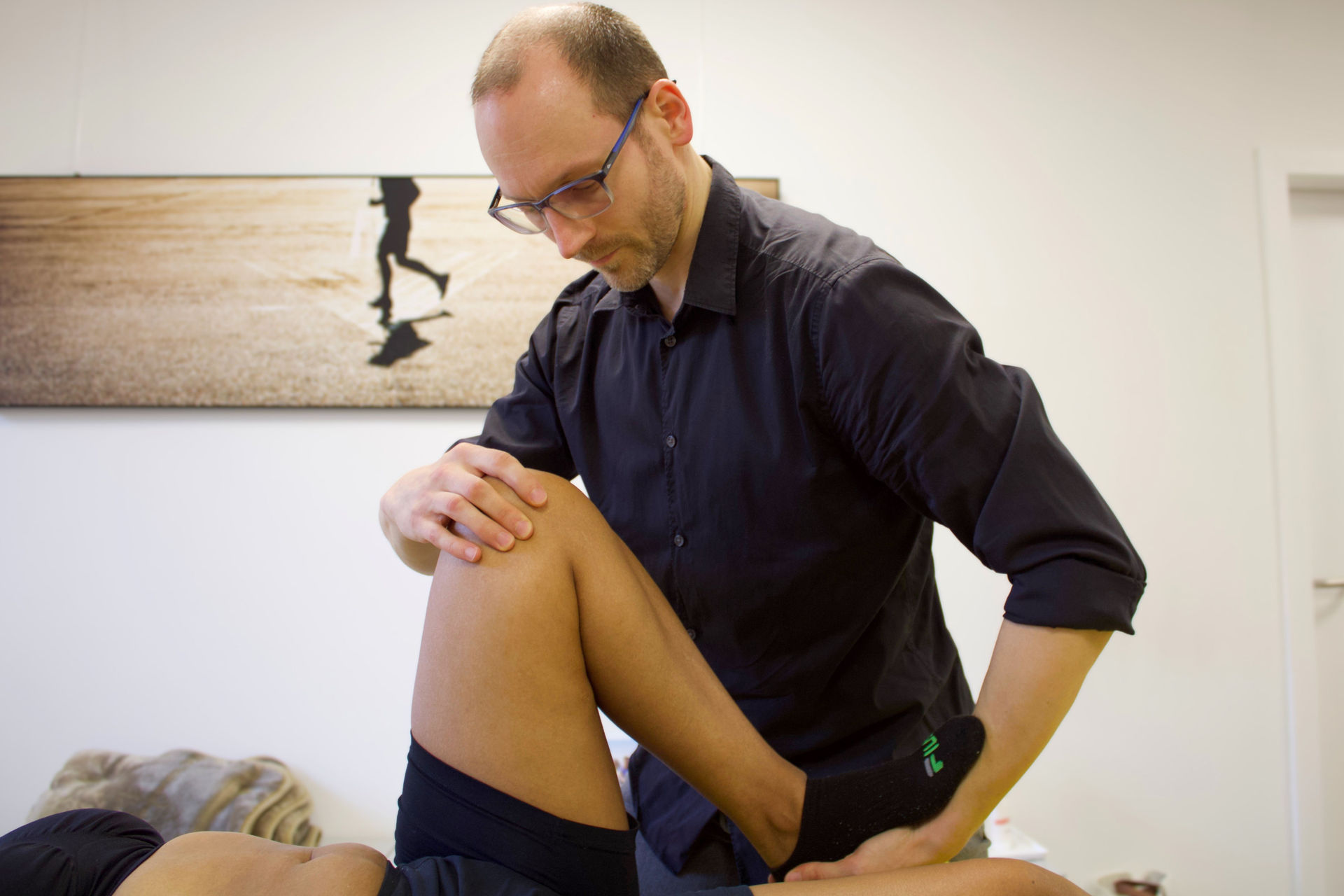
As an osteopath, naturopathic practitioner, and physiotherapist, I believe it is essential to consider each person as a whole. My professional background, experience, and personal philosophy shape the way I care for my patients. Learn more about my journey into osteopathy, my qualifications, and the values that guide my daily work.
Qualifications
Medical education
06/2023 Naturopath permit
02/2019 to 12/2023 Osteopathy training at the Institute for Applied Osteopathy (IfaO), certified by the Federal Working Group for Osteopathy (BAO)
02/2018 Recognition of foreign vocational training in Germany (permission to use the professional title of physiotherapist)
09/2014 to 08/2017 Studied physiotherapy at the Salzburg University of Applied Sciences (Bachelor of Science in Health Studies)
Further training
11/2024 to 09/2026 Postgraduate course in pediatric osteopathy at the IfaO, certified by the German Osteopathic Association (VOD)
10/2020 Certificate in Manual Lymphatic Drainage
04/2018 and 11/2019 Kinesiological Taping
Curriculum vitae
From the stage to osteopathy
Born as Andreas Lutsch in Hannover in 1988 and raised there, I initially followed my big dream of performing on stage after graduating from high school and learned to sing, dance, and act during my training as a state-certified musical actor in Osnabrück. I then earned my Bachelor of Arts in Music Education in the Musical profile in 2011. After three years of experience on various German-speaking stages, I gave up my dream job to be able to live a more settled life and instead followed in the great footsteps of my father Reinhard Lutsch.
In 2017, I successfully completed my studies in physiotherapy in Salzburg with a Bachelor of Science in Health Studies and (after the recognition process of my professional qualification in Germany) began a position as a physiotherapist at the DIAKOVERE Friederikenstift in my hometown of Hannover at the beginning of 2018, where I was deployed on all wards and in all departments and remained until the end of my 5-year part-time osteopathy training at the Institute of Applied Osteopathy in December 2023.
The Path to opening my own practice
Interest in the broad spectrum runs like a thread through my life and is also reflected in my hobbies: I lead a Boy Scout troop, give tap dancing lessons, play several instruments, have experience in martial arts, horseback riding, and enjoy listening to music of (almost) all genres. So, osteopathy, with its holistic approach, is only logical and will certainly not be the end of my therapeutic education. Parallel to my osteopathy training, I also completed my certificate training in manual lymphatic drainage in 2020 and obtained my naturopath license in the summer of 2023.
At the turn of the year 2023/2024, I began working as a naturopath and physiotherapist in the practice for osteopathy, physiotherapy and naturopathy of Kristin Adler, from whom I had previously experienced further training in kinesiological taping, in Hannover's List district. Here, I have been running my own practice since September 2026 and am happy to continue to care for my patients in the same beautiful premises and to be able to devote sufficient time to them, to be able to treat them appropriately to my high quality standards and to accompany them on their path to healing.
I look forward to working well with you!
With warm regards
Andreas Benitez
Philosophy
Medicine from my perspective
As a Christian, I believe in powers at work among us that we cannot scientifically explain (maybe not yet, maybe never). At the same time, I have been very scientifically influenced in my career and not least in my vocational training, and logic and scientific principles are of great importance to me. What is commonly referred to these days as “conventional medicine” is, to me, an indispensable discipline, and I do not see myself as competing with it in my work as an osteopathic therapist. I rather see myself as someone who covers those parts of the treatment of physical ailments which the established academic medical disciplines (“conventional medicine”) cannot cover.
While the medical disciplines look for diseases and injuries of tissue, I look for functional disorders in healthy tissue. Conversely, my competencies in structural damage are limited in that medical treatment – at least in addition to osteopathic support – is often indispensable. During my time in the hospital, I really appreciated the interdisciplinary exchange and learned how everyone benefits from it. So, I am strictly against the artificial or ideologically created opposition between disciplines, but for a for-and-with-one-another.
As an osteopath, I look for causes and am not satisfied with purely symptomatic treatment. Two questions arise: 1. Can I find the cause? And 2., if so: Can I treat it, too? Originally, all medical practitioners were supposed to do this, but as a naturopath I have a freedom that many in the German healthcare system do not have due to systemic circumstances: I can take sufficient time for it.
Image of man
As a Christian, I also believe that man, however fallible, is the crown of creation and that all people are just as capable of good as they are of evil. For me, the term “being human” therefore includes both the positive (love, compassion, grace, kindness, mercy, appreciation, sense of justice…) and the negative (anger, irrationality, egoism, recklessness, incompetence in foreseeing the consequences of one's own actions, fickleness, …) aspects of the spectrum of meaning. I believe that everyone does everything they do for reasons that are good from their perspective. We act based on the same needs and against the background of the same values, which may, however, be prioritized differently depending on their character and situation.
When I experience that the other person understands me, or at least tries to understand me with my actions, thoughts and feelings, even if the understanding does not succeed immediately, then I feel secure, safe and belonging. In the same way, I try to meet my patients: with the will to understand and with the concession of humanity with all its aspects as well as the unconditional recognition of equivalence (namely infinitely valuable) as a living being and creation and beloved children of God.
Self-image as a therapist
The term “therapist” goes back to the ancient Greek therápōn (θεράπων). Originally it is said to have meant “servant”, “companion”, “fellow” or “guard”. Thus, in Greek mythology (namely in the Iliad, which is attributed to Homer and dated to a time between the 12th/13th and the 7th century BC), Patroclus, the charioteer and best friend of Achilles, was referred to as his therapōn. During my physiotherapy studies, I wrote in a term paper:
“If the therapist is not a superior but rather a subordinate, albeit free (and willing) servant, then - even if he has more vision and expertise - he cannot determine from above how the client/patient should behave, simply from his status towards the client/patient. He can already say what is “healthy” or “healing” from his perspective, and may probably be right (with enough experience and knowledge of human nature). But it is precisely the knowledge of the nature of that specific human that makes him a good “therapist”: To stay with the example of Achilles and Patroclus: Patroclus would have served Achilles poorly as a charioteer if he had not known the will of his master in the hustle and bustle of battle, who ultimately always retained the decision-making power over his actions (and in this case even over the fate of his therapōn). What a noble attitude! I like that.”
The word also appears – as the verb therapeuein (θεραπεύειν) – in the New Testament of the Bible and is translated almost exclusively as “heilen” (= heal) in the German versions. Whether the meaning of the word had already been changed by the time the New Testament was written or was only changed in the translations into German is irrelevant to me.
In the spirit of Andrew Taylor Still, I see myself in my calling as an osteopath not as a “healer” in the sense of someone who repairs something broken or sick, but as a companion on behalf of my patients, helping them find their way and using my expertise to identify, avoid and occasionally remove certain obstacles along the way.